
The Difference Between Bold Style and a Busy Wardrobe
Direct answer
Direct answer: bold style has a clear point of view, a lead piece, repeatable outfit logic and enough restraint for the personality to read. A busy wardrobe has too many competing statements, weak basics, accidental color stories and pieces bought for fantasy versions of your life.
Bold style is not the same as wearing the loudest item in every category. It is not a graphic tee, metallic boot, printed skirt, oversized jacket, statement bag and dramatic earring all fighting for the microphone. Bold style can be sharp, strange, glamorous or funny, but it still has hierarchy. The eye knows where to go first.
The current fashion SERP is full of outfit formulas, personal uniforms and "one statement piece" advice. That advice is useful, but it often leaves out the emotional problem: people who love bold clothes worry that editing means becoming less themselves. It does not. Editing is how the boldness becomes legible.
Bold style has a lead
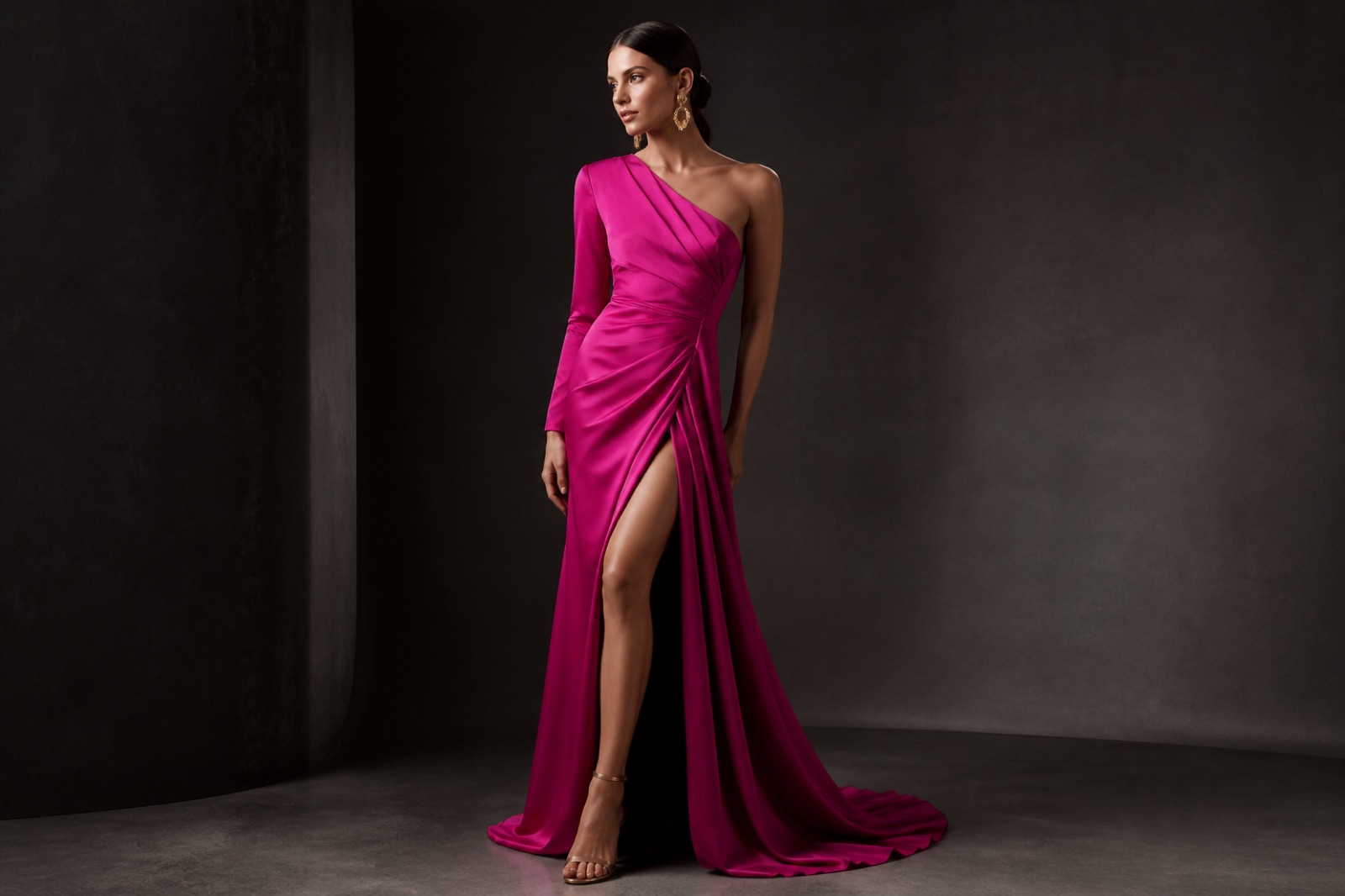
A strong outfit starts by choosing the ruler. Maybe it is a sculptural dress from Signature Dresses. Maybe it is a hard-working graphic tee, a sharp jacket, a boot with teeth, or a color that refuses to behave. Once that piece is chosen, the rest of the outfit should support it.
Support does not mean disappearing. A black trouser can have a great cut. A simple shoe can have polish. A bag can echo a color without adding a second argument. The goal is not minimalism. The goal is command. One unapologetic piece looks stronger when the frame around it is deliberate.
This is why the "one statement, one grounding piece, one intentional styling moment" idea keeps showing up in fashion coverage. The exact formula can change, but the principle holds: boldness needs contrast and rest. Without rest, every statement gets weaker.
A busy wardrobe has no hierarchy
A busy wardrobe is not defined by color or pattern. It is defined by confusion. You open the closet and see many pieces you like individually, but few outfits that make sense together. The tops want one life, the shoes want another, the dresses need layers you do not own, and the accessories are all trying to be the main event.
Busy wardrobes often happen after impulse buying. A piece is interesting, discounted, aspirational or dramatic enough to feel like progress. But if it cannot work with at least three things you already own, it may be a costume fragment, not a wardrobe piece. That does not make it bad. It makes it expensive to style.
The fastest test is simple: pull five favorite bold pieces and ask what each one needs to become wearable this week. If each requires a different shoe, jacket, bra, bag, season, body mood or event, your closet is asking you to support too many personalities at once.
Bold style loves repeatable formulas
Repeat is not the enemy of personal style. Repeat is how people recognize you. A formula might be fitted top, dramatic skirt, clean boot. It might be graphic tee, tailored bottom, red lip. It might be monochrome base, statement layer, one metal. It might be sleek activewear from Yoga & Exercise with one polished outer layer so the look leaves the gym without apologizing.
Choose three formulas that work with your real life. Workday, weekend and night-out is a good starting split. Then identify which bold pieces fit each formula. The wardrobe becomes calmer without becoming timid, because you are no longer inventing an outfit from scratch every time you get dressed.
Formula dressing also helps you shop. If a piece does not fit one of your formulas and does not deserve to create a new one, leave it. Admiration is free. Ownership should earn its keep.
Keep the formulas visible for a while. Photograph the combinations that work and name them in plain language: "black base plus dramatic layer", "tee plus polished trouser", "soft dress plus hard boot". The names sound simple because they should. They let you repeat success without turning your closet into a theory project.
How to edit without becoming boring
Start with duplicates of energy, not duplicates of category. You may have five black tops, but they do different jobs. You may also have six statement jackets that all create the same "too much at dinner" problem. Keep the one that fits best, moves best and works with the most supporting pieces.
Create a rail or section for pieces that make outfits happen: clean bases, good denim, tailored trousers, simple skirts, reliable shoes, layering tanks, quiet bags. Bold wardrobes need these pieces more than minimalist wardrobes do, because they are the stage. A stage is not less important than the performer.
Then make a small "royal problem" pile: pieces you love but cannot style. For each, write the missing support item or real reason it is stuck. Tailoring? Wrong shoe? Needs a simpler top? Fantasy event? If the solution is realistic, solve it. If the solution belongs to an imaginary life, release the piece or treat it as costume, not wardrobe.
Do not edit only when you are frustrated. Edit after a day when an outfit worked. That is when your eye can see the difference between useful drama and exhausting drama. The pieces that helped should become easier to reach. The pieces that made the look harder should move farther from the daily rail.
Shopping discipline for bold taste
Bold taste needs stricter shopping rules, not fewer beautiful things. Ask: does this piece lead or support? Which formula does it enter? What color story does it strengthen? Can I wear it sitting, walking and eating? Does it require a new personality, or does it sharpen the one I already dress for?
When a piece fails the test but still thrills you, wait three days. Bold shoppers often know desire instantly but learn usefulness slowly. If the piece still has a role after the pause, it may be worth bringing in. If the excitement only lived in the product photo, let the photo keep it.
Be careful with recommendation claims, affiliate language and review-style certainty. The FTC's endorsement guidance is a useful standard for fashion content: material relationships should be disclosed, and claims should not mislead. Royal Bitch Couture can recommend a style principle without pretending to have tested every product or inventing results.
That honesty matters because bold style is intimate. Clothes are not just objects; they carry identity, mood and attention. Advice should make the reader more precise, not more pressured.
Purpose language without costume
Royal Bitch Couture's world includes Helping P.E.T.S., but bold style does not need invented rescue stories to feel meaningful. This article does not claim donation totals, shelter outcomes or partnerships that are not documented. Purpose language should be exact when records exist and restrained when they do not.
The same editing principle applies: one truthful statement beats five vague halos. A wardrobe and a brand both become stronger when they stop asking every piece to prove everything at once.
FAQ
Can a wardrobe be colorful without being busy?
Yes. Color becomes calm when it follows a palette, repeats intentionally and has grounding pieces around it.
Does bold style require expensive clothes?
No. Fit, proportion, contrast and editing create more impact than price alone.
What should I buy first if my wardrobe feels busy?
Buy the missing support piece, not another statement. Often that means better trousers, a clean layer, a reliable shoe or a quiet bag.
Bold style does not become quieter when it is edited. It becomes sharper. The difference between bold and busy is not personality. It is control.
Sources consulted: Who What Wear outfit formula coverage, Modera personal style formula guide and the FTC endorsement guides FAQ. Featured image: existing Royal Bitch Couture site asset, /assets/img/photo-hero.jpg.