
How to Build an Outfit Around One Unapologetic Piece
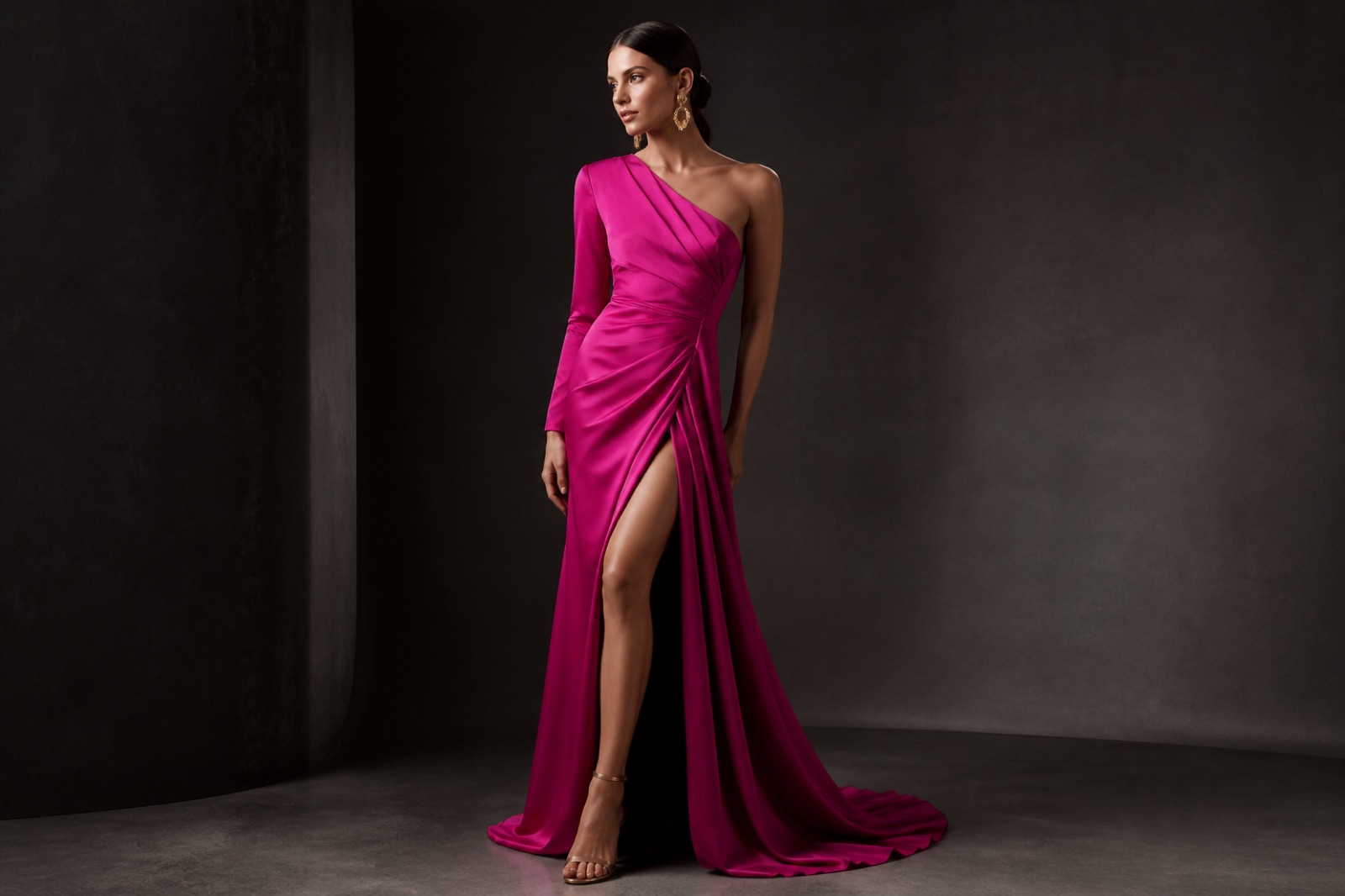
Direct answer: choose the unapologetic piece first, let it set the mood, repeat one of its colors or textures quietly, keep competing pieces restrained, and check the outfit in motion before you leave the house.
An unapologetic piece is not necessarily the loudest thing in the room. It is the piece that refuses to be treated as background: a sharp graphic tee, a dress with architectural movement, a boot with hardware, a jacket with shoulders, a color that enters before you do. The mistake is trying to make everything else match its volume. That is how a great piece becomes a costume fight.
The better move is more royal and less frantic. Let one item hold court. Build the rest of the outfit as its loyal, useful entourage. The supporting pieces do not disappear; they make the lead piece easier to read. This is how women who dress boldly avoid looking busy. They are not wearing less personality. They are editing with a steadier hand.
Choose the ruler before the court
Start with the piece that made you want to get dressed. Pull it out first and name what it is doing. Is it color? Shape? Text? Shine? Volume? Texture? Attitude? If you cannot name the source of the drama, you will not know what the rest of the outfit should protect.
A graphic tee from tees and tops might lead with words and contrast. A fitted black skirt should probably sharpen it rather than compete with it. A signature dress might lead with movement, so the shoes and jewelry should frame motion instead of adding another plot. A bold coat might be all the architecture the outfit needs.
One decision first. Everything else answers to it.
Build a quiet frame
Quiet does not mean boring. A quiet frame is a set of choices that gives the eye somewhere to rest: black trousers, a clean tank, a narrow belt, a simple boot, a jacket in a material that understands the lead piece. Neutrals are useful here, but so are muted versions of colors already present in the statement item.
The frame should respect proportion. If the lead piece is oversized, streamline at least one other area. If the lead piece is tight and sculptural, a looser layer can make the look feel worn rather than installed. If the lead piece is heavily patterned, use solid pieces nearby. The goal is not symmetry. The goal is command.
This is also where shopping discipline becomes style discipline. You do not need to buy five new things to wear one bold thing. You need reliable supporting pieces that let the bold thing work more than once.
Repeat one note, not the whole song
A small echo makes an outfit feel intentional. If your unapologetic piece includes wine red, repeat that note in a lip, belt, sock, earring or bag detail. If it has silver hardware, keep the jewelry in the same metal family. If the texture is matte, decide whether one shine accent adds tension or simply interrupts.
What you do not need is full matching. Matching every visible color can flatten the look and make it feel assembled from a checklist. A royal outfit should look decided, not obedient. One echo is enough to tell the eye the pieces are speaking to each other.
Respect the room without surrendering
Bold style becomes easier when you separate expression from disrespect. The room matters. A brunch, gallery opening, school pickup, office day and late dinner do not ask for the same styling. But respecting the room does not mean sanding yourself down until nothing is left. It means choosing the version of the statement piece that can hold its head up there.
For daytime, ground a sharp tee with structured denim, a blazer or a clean skirt. For work-adjacent spaces, let the piece appear in one zone: jacket, shoe, blouse or jewelry, not all four. For evening, you can let the piece take up more space, but still give it a frame. Drama without control reads as chaos. Drama with control reads as power.
Check movement, not just the mirror
The mirror lies by standing still. Walk across the room. Sit down. Reach for your bag. Take the stairs. If the statement piece only works when posed, it is not ready for the day. Clothes are not photographs; they are companions with seams.
This is especially true for dresses, coats and wide-leg silhouettes. A piece can fit in the mirror and fail in motion if it twists, rides, pulls or demands constant supervision. The most unapologetic women are not tugging at hems every eight seconds. They have checked the garment's behavior and left the house with terms agreed.
Purpose without costume
Royal Bitch Couture's world includes Helping P.E.T.S., but this article is deliberately not inventing rescue totals, partner names or miracle stories. Cause language should be specific when it is documented and restrained when it is not. The ASPCA's shelter responsibility guidance is a useful reminder that animal welfare work is practical, resource-heavy and serious. Turning it into vague halo language helps nobody.
Style with purpose works best when the mechanism is clear and the outfit is still allowed to be an outfit. You can care about animals and still care about the line of a sleeve. You can wear a tee with bite and still want the rest of the look to be elegant. Purpose is not an excuse for sloppy styling. It is one more reason to choose carefully.
Three formulas that almost always work
The graphic tee formula: statement tee, tailored trouser or dark straight denim, one clean shoe, one metal note. Add a blazer if the room needs polish. Let the tee speak; do not add a necklace that talks over it.
The dress formula: unapologetic dress, understated shoe, small bag, one piece of jewelry near the face. If the dress has movement, keep outerwear simple enough to come off without creating a second outfit.
The boot or bag formula: quiet clothing, excellent fit, one color echo. Statement accessories work best when the outfit gives them a runway instead of a traffic jam.
FAQ
Can I wear more than one statement piece?
Yes, but one should clearly lead. The second should support through color, texture or proportion rather than demanding equal attention.
Are neutrals required?
No. They are simply useful. A muted color pulled from the lead piece can frame the outfit more interestingly than black or beige.
How do I know if the look is too busy?
Take one item off and ask whether the outfit gets stronger. If it does, the removed item was competing, not contributing.
An unapologetic piece does not need apology styling. It needs a court that knows who is ruling the room.
Primary source consulted: ASPCA position statement on shelter responsibilities.